


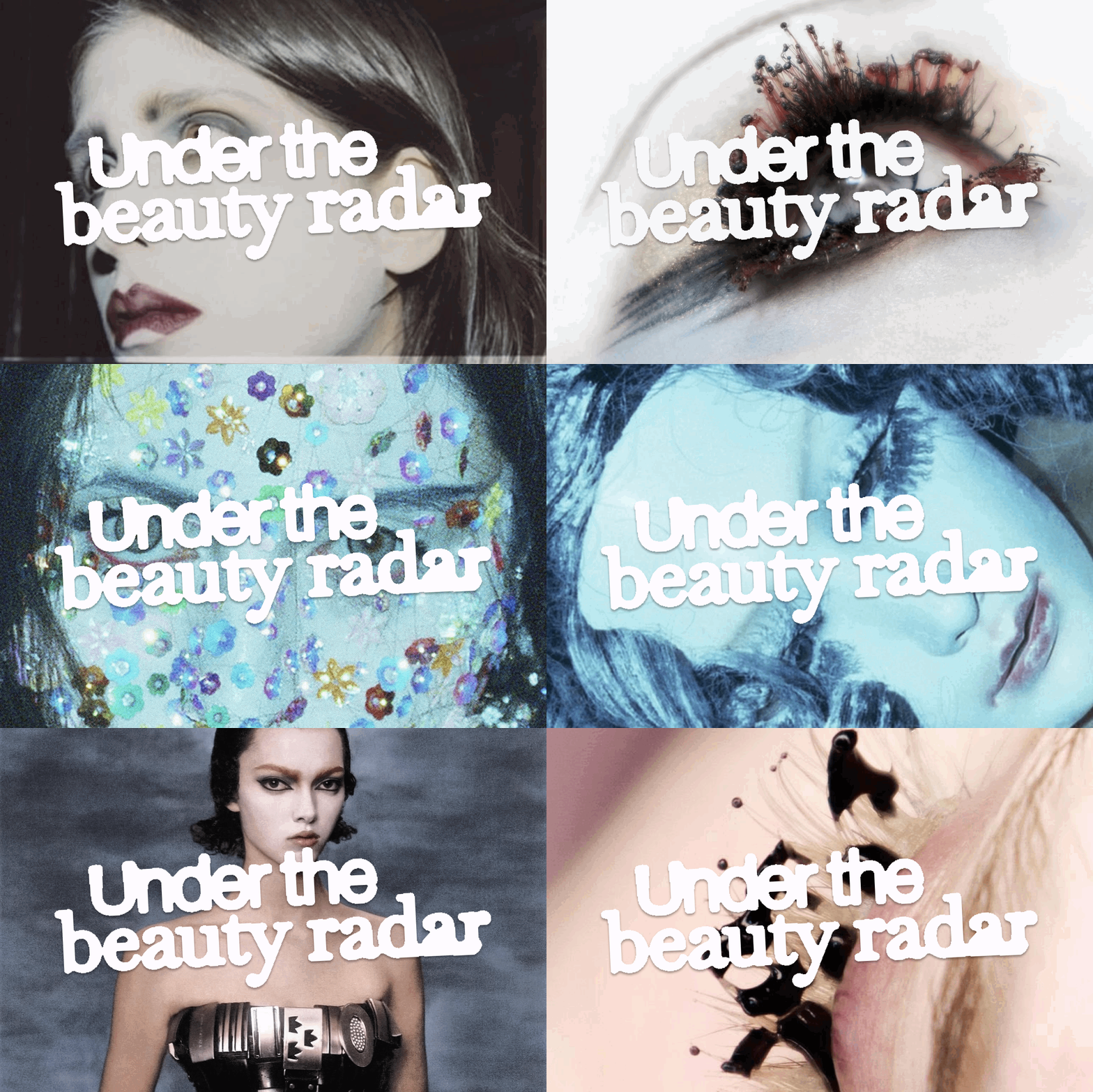
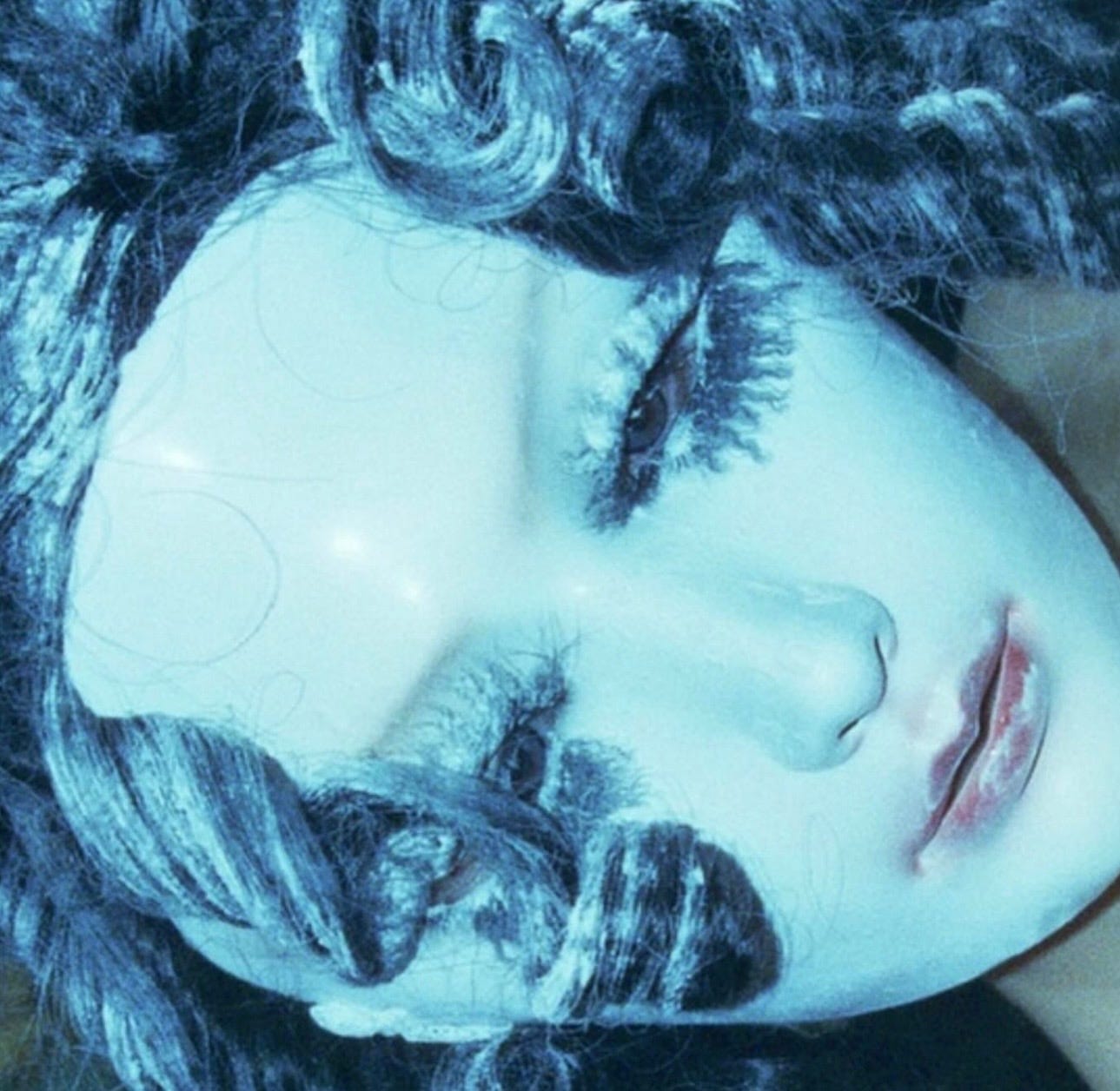
“I’m Vanessa Icareg, a make-up artist. For me, make-up is first and foremost a tool for transformation and storytelling. I’m interested in creating characters, atmospheres, and emotional states through the face and body, building images that are at once narrative, melancholic, and suspended, existing in dialogue between fashion, art, and visual storytelling.” And that’s how our latest episode of Under the Beauty Radar begins, the series dedicated to beauty professionals who go beyond the surface.
Interview with make-up artist Vanessa Icareg
Describe your style in three words
Narrative, melancholic, unsettling.
How has it evolved over time? What kind of visual research are you pursuing?
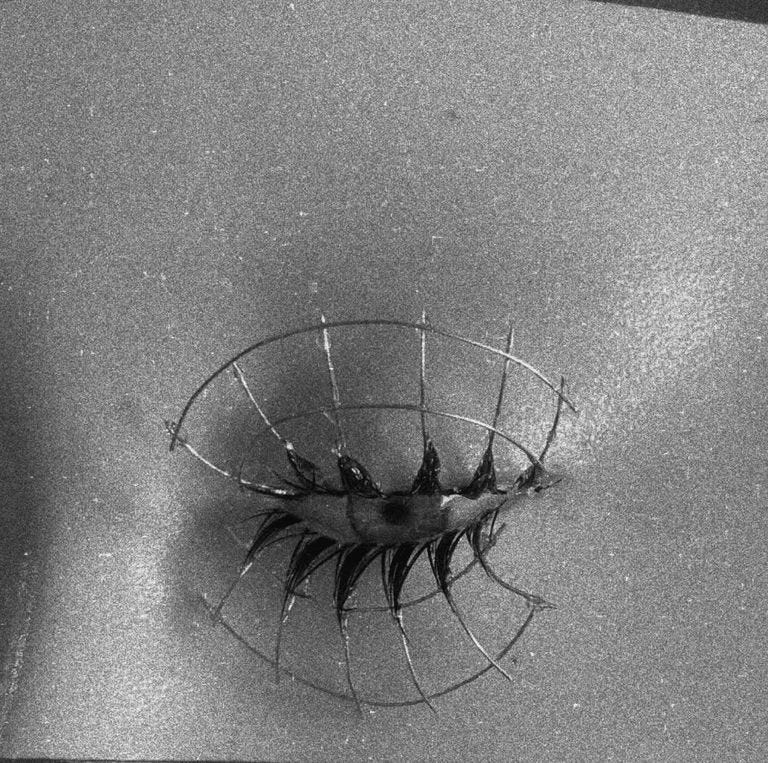
I’ve never seen make-up as a tool for enhancing beauty. From the very beginning, what interested me was its ability to define an identity, build a character, or suggest a visual universe. My research is the sum of everything I’ve collected throughout my life: images, memories, films, experiences, people, obsessions, and references that continue to settle and evolve over time. It’s like having a personal archive that I constantly draw from. My work comes from translating these codes into a visual language. I’m interested in transforming deeply intimate and familiar elements into images that can be shared and interpreted by others. In that sense, every project becomes a form of storytelling, a way of giving new shape to something that already exists in memory.
Can you tell us about your professional journey?
My path hasn’t exactly been linear. I started in theatre, transforming actors into characters. Then I worked with children, who are probably the most honest and hardest audience to impress. Later, I worked in the adult film industry, an environment that taught me speed, pragmatism, and how to develop a very direct relationship with the body. Fashion came only afterward. Sometimes I think my current approach comes precisely from this unlikely mix: a bit of theatre, a bit of childhood fantasy, a bit of raw reality, and finally image-making. Perhaps that’s why my work constantly moves between storytelling, transformation, and identity.
You’ve built a recognizable aesthetic: slightly messy, dreamy, and not always “beautiful” in the traditional sense. What inspires you?
I’m fascinated by images that exist in shadowy spaces, where beauty and strangeness coexist. I find inspiration in fashion photography, cinema, contemporary art, and visual subcultures that use the body as a means of expression. I’m drawn to images that retain a sense of ambiguity and a certain melancholy, images that cannot be exhausted by a single interpretation. Rather than perfection, I look for images that suggest something without fully revealing it.
How do you approach your work on set? How does the creation of a look for others begin for you?
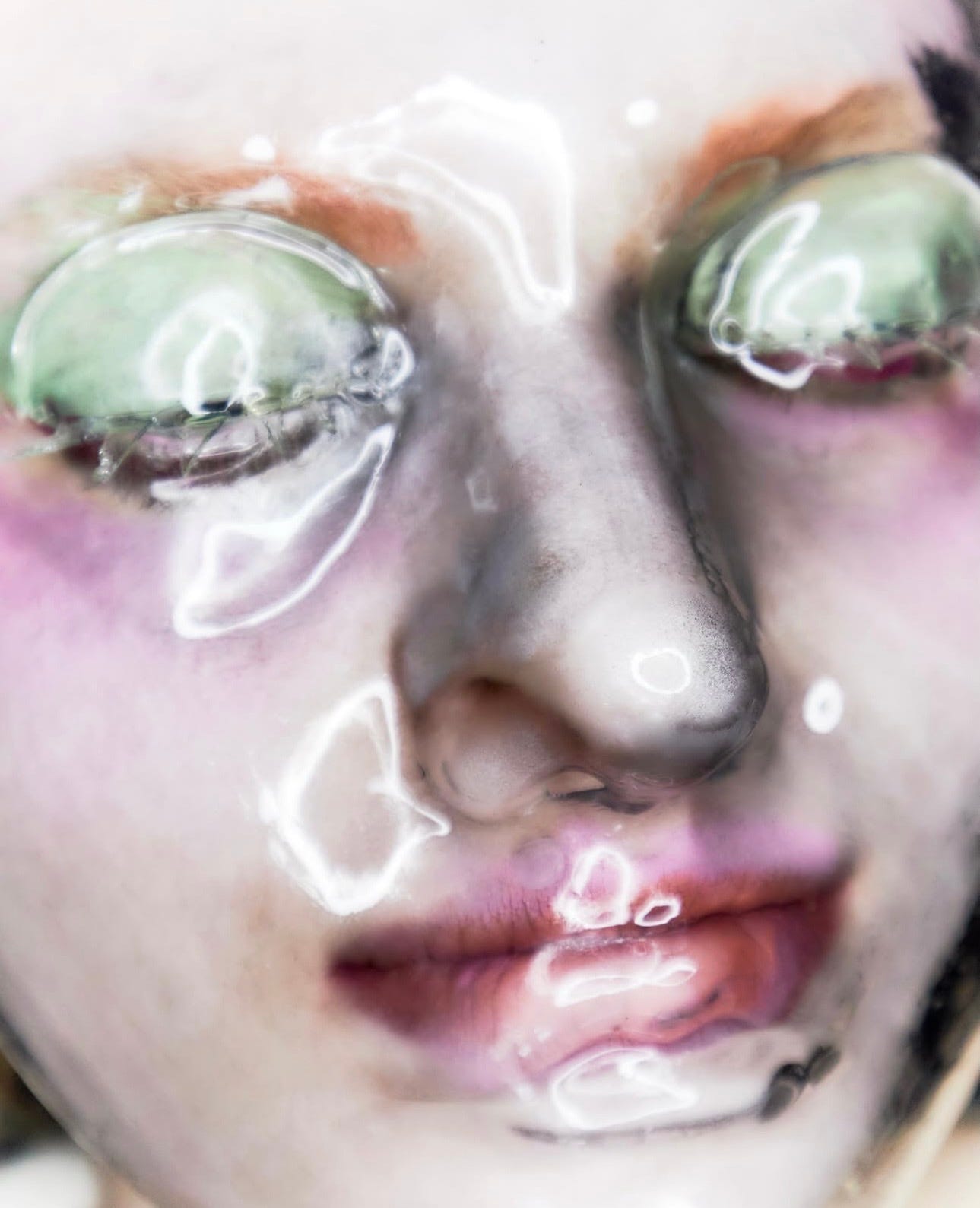
I always try to start with the narrative. Even before thinking about make-up, I want to understand what visual universe we’re building and what role the face will play within that image. I often gather references that don’t belong to the beauty world at all: photographs, films, archival images, materials, or visual fragments that are part of my personal imagination. From there, I begin constructing a language that can interact with styling, lighting, and photography.
Your work often has to interact with very specific aesthetics, such as Ann Demeulemeester’s. How do make-up and fashion either connect or create contrast?
When working with very strong aesthetic identities, I first try to understand their language. I’m not interested in make-up overpowering the other elements; I want it to help amplify the narrative. Sometimes the dialogue happens through harmony, while other times it emerges through a subtle contrast that introduces tension and makes the image more complex. I believe the most interesting images are born from the balance between these two possibilities.
Are there any colleagues whose work you follow? Who would you recommend we follow?
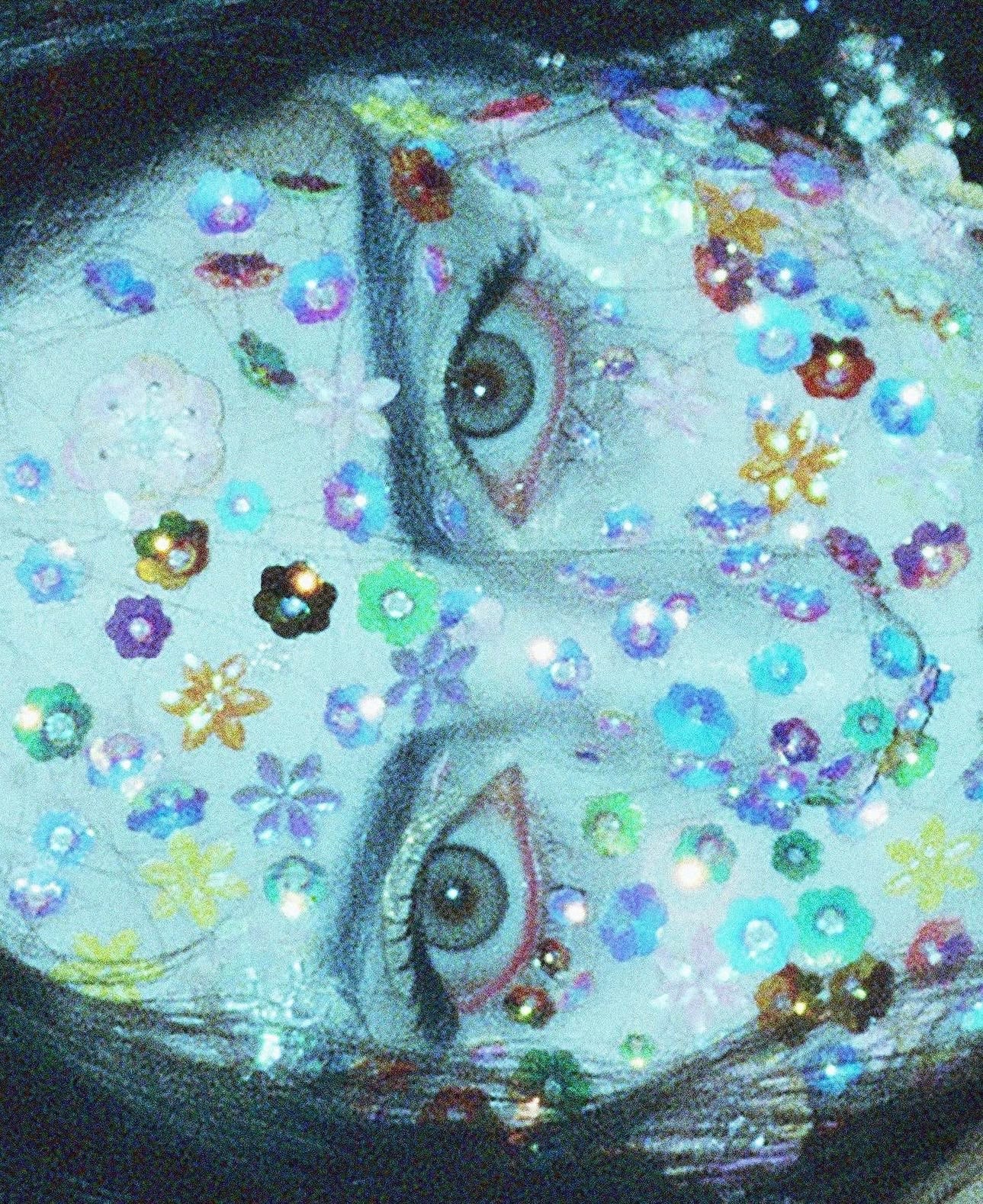
I admire the work of many colleagues and industry professionals, but it would be difficult to mention only a few without risking leaving out others who are equally important. Instead, I’d rather recommend some of the sources that have shaped my visual imagination. I find The Romance of Food by Barbara Cartland incredibly inspiring. I’m fascinated by its almost kitsch aesthetic and by the way food imagery is paired with objects such as antique porcelain. It creates a very interesting visual dialogue, especially from a color perspective, and it continues to be a major source of inspiration for my make-up work. I’m also fascinated by the face-painting work of Serge Dyakonov and by Serge Lutens, a true visual genius capable of creating an extraordinarily rich and deeply personal aesthetic universe.
What’s your favorite beauty product, the one you can’t live without?
The Chanel Sublimage concealer and Armani Luminous Silk blush in the shade Bold Pink.
What’s your relationship with beauty trends? Which ones do you like, and which do you avoid?
I observe trends as cultural phenomena before I see them as aesthetic ones. They’re interesting because they reveal the desires, fears, and aspirations of a particular historical moment. That said, I try not to chase them. I’m more interested in building a personal language that can evolve over time without depending on current trends. I avoid anything that tends to homogenize images; I prefer what leaves room for identity, imperfection, and experimentation. Ultimately, what interests me is creating images that remain open to interpretation, images capable of existing within that ambiguous space between attraction, memory, and imagination.